
Are Tortellini Technically Dumplings?
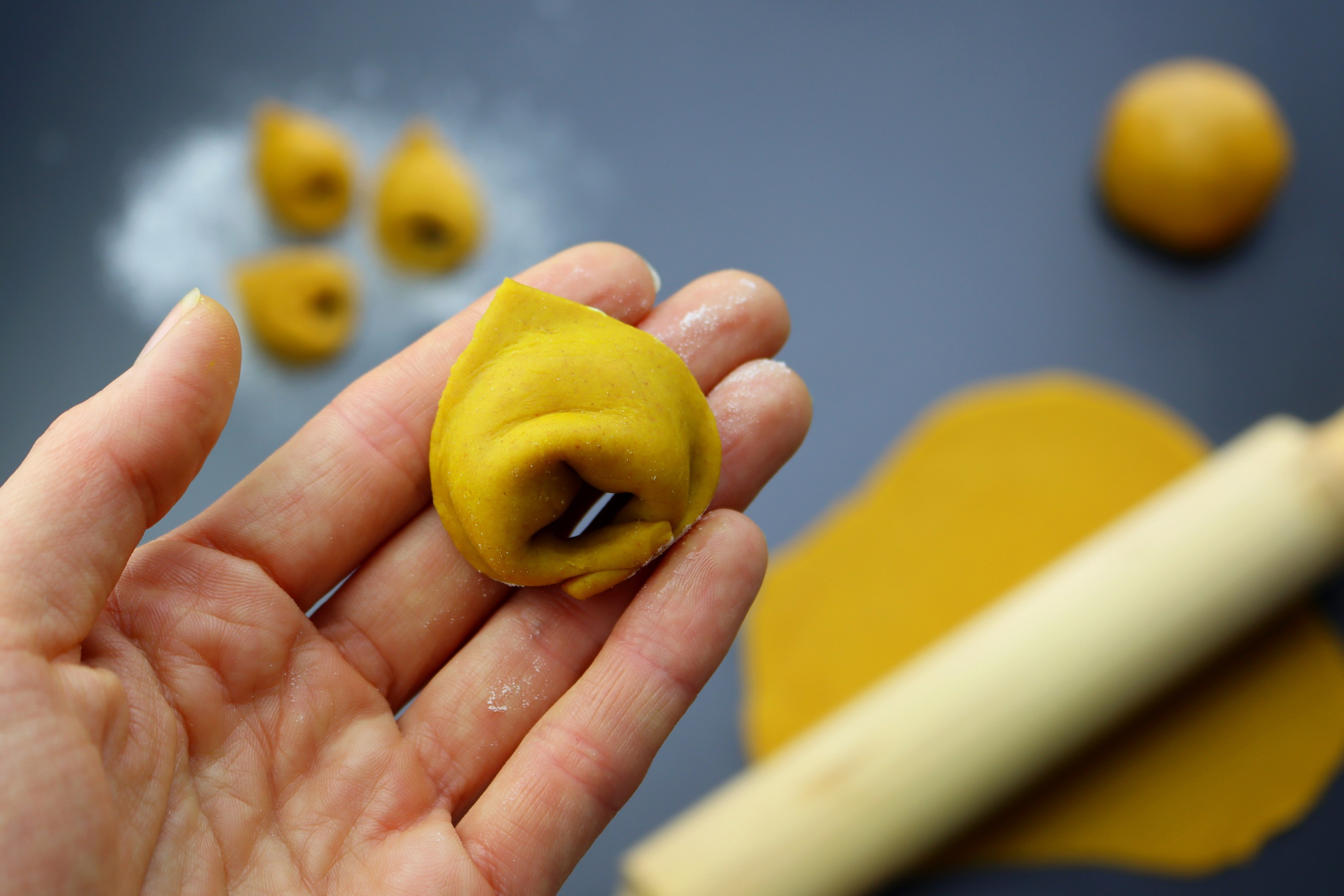
At the Dumpling School, we’re always looking to break the mold and discover fresh flavors and exciting recipes. We also aren’t strangers to the occasional dumpling debate or two, especially the debate about whether tortellini counts as a true dumpling. Tortellini technically falls under the dumpling umbrella because it consists of a dough wrapper containing a filling. This classification surprises many people who strictly view the dish as Italian pasta. We believe that understanding these culinary definitions helps you appreciate the global art of dough wrapping. In this blog, we will discuss the similarities between pasta and dumplings, and how The Dumpling School can help with our cooking classes in Cambridge.
What Criteria Define a Food as a Dumpling?
A dumpling is broadly defined as a small mass of dough that serves as a vessel for a filling or sits in a liquid. This definition means that the category is extremely inclusive and spans cultures across the globe. You can cook dumplings by boiling, steaming, frying, or baking them without changing their classification. The dough can be made from wheat, rice, potato, or other starches. This versatility confirms that many stuffed pasta shapes technically meet the criteria.
-
Structure: A wrapper encasing a mixture of meat, vegetables, or cheese.
-
Cooking Method: Heat is applied through water, steam, or oil to cook the dough and filling.
-
Dough Base: A starch mixed with liquid forms the outer layer.
Why Is Tortellini Usually Classified as Pasta?
Tortellini is classified as pasta because of its specific ingredients and its deep cultural roots in Italian cuisine. The dough used for tortellini typically consists of wheat flour and eggs, which is the standard base for fresh Italian pasta. Chefs roll this dough incredibly thin before filling and folding it into its signature navel shape. You will almost always find tortellini listed under the pasta section of a menu rather than with dumplings. This distinction helps diners know what to expect regarding texture and flavor profiles.
How Do Tortellini Compare to Asian Dumplings?
Tortellini and Asian dumplings differ primarily in their wrapper ingredients and the seasonings used in the fillings. Asian styles often use a simple dough of flour and water, which creates a different texture than the egg-enriched dough of Italy. The fillings for tortellini usually include cheeses, prosciutto, or mortars, while Asian varieties feature ginger, scallions, soy, and ground meats. You serve tortellini with sauce or broth, and usually serve Asian dumplings with a dipping sauce.
-
Wrapper Texture: Pasta dough is often firmer and more elastic due to the egg content.
-
Flavor Profile: Italian fillings use herbs and dairy, while Asian fillings focus on savory aromatics.
-
Serving Style: One comes with a heavy sauce, while the other comes with a light dip.
Why Should You Learn the Art of Folding?
Learning to fold dough improves your dexterity and helps you appreciate the craftsmanship behind every bite. We find that the skills you learn while pleating a potsticker translate well to shaping tortellini or other stuffed foods. The patience required to seal the dough perfectly is universal across all cuisines. You gain a deeper understanding of food when you create it from scratch with your own hands. A group dumpling party provides a fun environment to practice these techniques without the pressure of perfection.
Experience the Joy of a Cambridge Dumpling Party!
The Dumpling School creates a welcoming environment for you to master the art of making delicious food. We offer specialized cooking parties where you can learn techniques that apply to various styles of dumplings. Our team in Cambridge provides all the ingredients and guidance you need for a memorable culinary experience. To learn more about our private events and get started today, contact The Dumpling School online or by phone.